 Reviews


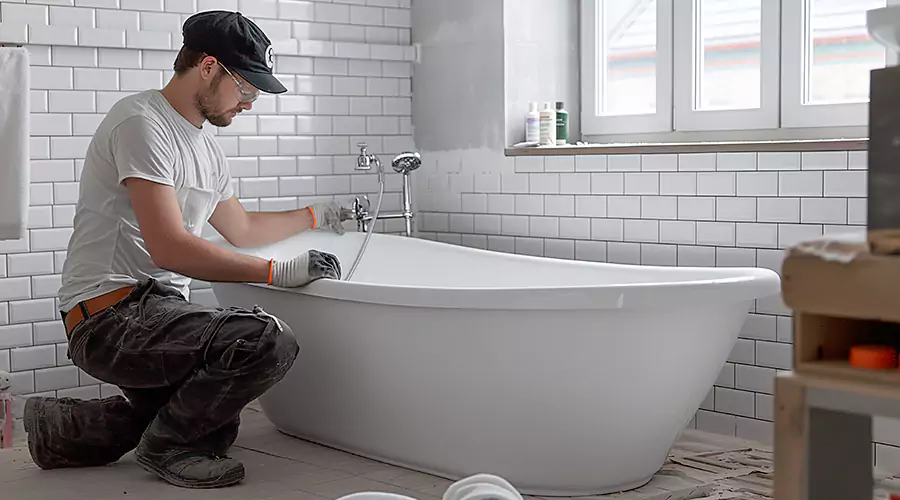
Stepping into a bathtub and watching water rise around your ankles instead of draining away is one of those small plumbing problems that gets annoying fast. A slow draining bathtub is not just inconvenient left alone, it turns into a full blockage that backs water up completely and creates a much bigger cleanup job.
The encouraging part is that most bathtub drain clogs are close to the surface, easy to reach, and fixable without calling a plumber or spending much money at all.
Why Is Your Bathtub Draining Slowly?
Understanding what is actually causing the slow drain helps you choose the right fix on the first attempt rather than working through methods that will not address the real problem.
Several different issues produce the same symptom of slow drainage, and each one responds to a slightly different approach.
The Most Common Causes of a Slow Bathtub Drain
Hair Buildup Is the Number One Culprit
Hair is responsible for the overwhelming majority of bathtub drain clogs in American homes. Every shower or bath sends loose strands down the drain where they catch on the stopper mechanism, wrap around the drain crossbars, and gradually accumulate into a dense mat that water struggles to pass through.
The problem builds gradually over weeks and months. What starts as a minor slowdown progresses into standing water that takes ten minutes or longer to clear after the tub empties.
Removing a hair clog requires getting the material out of the drain physically rather than trying to dissolve it. Chemical drain cleaners break down hair partially but rarely eliminate a thick mat completely, and repeated use damages pipe interiors over time.
Soap Scum Coating the Drain and Pipe Walls
Traditional bar soap contains animal fats that combine with the minerals in hard water to form a sticky residue called soap scum. Over time, this material coats the inside walls of the drain pipe and the components of the drain assembly, narrowing the opening that water flows through.
Soap scum rarely causes a complete blockage on its own, but it catches and holds hair, skin cells, and other debris that passes through the drain. The combination of soap scum and trapped organic material creates a particularly stubborn clog that resists simple flushing.
A Clogged or Malfunctioning Stopper
Most bathtubs use either a pop-up stopper or a trip lever stopper to control drainage. Both mechanisms have moving parts that sit directly in the path of the water and collect debris with every use.
During a thorough plumbing inspection, it’s common to find that pop-up stoppers lift and lower at the drain opening and accumulate hair and soap scum directly on the stopper body itself. Trip lever stoppers operate through a linkage inside the overflow plate and collect debris deeper in the drain assembly where it is harder to see.
A stopper that no longer opens fully because of wear, corrosion, or accumulated debris restricts water flow even when no clog exists further down the line. Cleaning or adjusting the stopper mechanism often restores normal drainage without any further work needed.
Mineral Deposits From Hard Water
Homes in areas with high mineral content in the water supply develop calcium and magnesium deposits inside pipes over time. These deposits coat the interior walls of the drain pipe and create a rougher surface that catches debris more easily and gradually reduces the diameter of the opening water flows through.
Hard water mineral buildup is a slow process that typically appears in combination with other causes rather than producing a sudden blockage on its own. Properties that have never had their drains cleaned professionally are more likely to show significant mineral accumulation.
A Blocked or Poorly Ventilated Drain Vent
Every drain in your home connects to a vent pipe that runs up through the roof and allows air into the drainage system. Without proper airflow, water creates a vacuum as it drains and slows to a trickle.
A blocked drain vent produces a distinctive gurgling sound as air struggles to enter the system. Bird nests, leaves, and debris accumulating at the roof vent opening are the most common causes of vent blockage.
Gurgling sounds coming from the bathtub drain when the water runs elsewhere in the home, or slow draining accompanied by that same gurgling, points toward a vent issue rather than a pipe blockage.
A Deeper Clog Further Down the Drain Line
Blockages do not always sit right at the drain opening. Debris that passes through the immediate drain area can accumulate further down the line at a pipe bend, junction, or point where the pipe diameter changes.
Deeper clogs typically cause slower drainage than surface blockages and resist methods like plunging or hook removal that only reach a few inches into the pipe. Multiple fixtures draining slowly at the same time points toward a blockage in a shared section of the drain line rather than an individual fixture.
How to Fix a Slow Draining Bathtub?
Remove and Clean the Stopper First
Starting with the stopper is the right first move because it addresses the most common cause and costs absolutely nothing.
Pop-up stoppers typically unscrew counterclockwise or lift straight out with a slight turn. Pulling the stopper free and cleaning the hair and soap scum from the body and the seat it rests in takes about two minutes. Rinsing everything thoroughly before replacing the stopper often produces an immediate improvement in drainage.
Trip lever stoppers require removing the two screws on the overflow faceplate and pulling the entire linkage assembly out through the overflow opening. The brass linkage and plunger at the bottom of the assembly collect significant debris and benefit from a thorough cleaning with an old toothbrush before reinsertion.
Pull Out the Clog Manually
Reaching into the drain and physically removing the hair clog produces faster and more complete results than any chemical treatment.
A hair clog removal tool, sometimes called a drain snake or drain weasel, costs $3 to $10 at any hardware store and features small barbs along a flexible plastic shaft that catch and pull out hair when twisted and withdrawn. Inserting the tool past the drain opening, rotating it a full turn in each direction, and pulling slowly brings out a surprising amount of material on the first pass.
A straightened wire coat hanger with a small hook bent at one end works as an effective substitute. Inserting it carefully past the drain crossbars and rotating gently before pulling out recovers significant hair buildup without requiring any purchased tools.
Use Baking Soda and White Vinegar
Treating the drain with baking soda and vinegar addresses soap scum buildup and light organic debris that physical removal leaves behind.
Pouring half a cup of baking soda directly into the drain opening and following immediately with half a cup of white vinegar produces a fizzing reaction that breaks down soap residue and loosens debris clinging to pipe walls. Covering the drain with a cloth for fifteen minutes keeps the reaction working inside the pipe rather than dissipating at the surface.
Flushing the drain with the hottest tap water available after fifteen minutes washes loosened material down and away from the drain area. Repeating this treatment monthly as part of regular bathroom maintenance prevents the gradual buildup that produces slow drainage over time.
Try a Plunger for Deeper Resistance
Plunging moves deeper blockages that manual removal and home remedies cannot reach by creating pressure changes that dislodge material further down the line.
Covering the overflow opening on the tub with a wet cloth before plunging is an essential step. The overflow creates a pressure escape route that prevents the plunger from generating effective force against the clog. Blocking it seals the system and directs all the pressure directly at the blockage.
Placing the plunger cup firmly over the drain opening with enough water in the tub to cover the cup, then pushing and pulling in a steady rhythm for twenty to thirty seconds, generates the pressure needed to shift material that resists lighter methods.
Use a Drain Snake for Stubborn Clogs
A hand drain snake, also called a plumber's snake or drain auger, reaches several feet into the pipe and breaks up or hooks material that sits beyond the reach of a hook tool or plunger.
Feeding the cable into the drain opening and turning the handle clockwise advances the tip through the pipe. Resistance indicates contact with the clog. Continuing to turn breaks through softer blockages and hooks firmer material that can then be withdrawn by pulling the cable back out slowly.
Hardware store drain snakes cost $20 to $35 for a basic hand model and handle the vast majority of bathtub drain clogs that resist simpler methods.
Clean the P-Trap if Necessary
The curved pipe section directly beneath the bathtub, called the P-trap, retains a small amount of water that blocks sewer gases from entering the home. Debris that passes through the drain can settle in this curve and restrict flow.
Accessing the P-trap from beneath the tub requires working from the floor below in a two-story home or from a crawl space or access panel in a single-story property. Placing a bucket beneath the curved section before loosening the slip nuts on each end catches the water and debris inside.
Clearing the P-trap completely and rinsing it before reattaching it resolves slow drainage that resists every method applied from above.
Preventing a Slow Bathtub Drain
Keeping a bathtub drain clear requires very little effort when preventive habits become part of a regular routine.
Installing a mesh drain strainer over the bathtub drain catches hair before it enters the pipe and eliminates the most common cause of slow drainage entirely. Strainers cost $3 to $8 and need only a quick rinse after each use to stay effective.
Pouring a full kettle of very hot water down the bathtub drain once a week melts soap scum and flushes light debris before it has a chance to accumulate. Pairing this with a monthly baking soda and vinegar treatment keeps the drain flowing freely between deeper cleanings.
Brushing hair before bathing reduces the volume of loose strands that enter the drain with every wash. This single habit cuts the rate of hair accumulation significantly in households where slow drains are a recurring problem.
Scheduling a professional drain cleaning service once a year clears mineral deposits and deeper buildup that home methods cannot fully address, protecting the drain line and keeping water flowing freely year round.
When to Call a Licensed Plumber?
Fixing a bathtub drain is a straightforward DIY task in most situations. Reaching out to a licensed plumber makes sense when the drain continues flowing slowly after every home remedy has been attempted, when multiple fixtures in the home drain slowly at the same time, when gurgling sounds persist from the drain suggesting a vent blockage, or when water backs up into the tub from other fixtures during use.
Multiple slow drains throughout the home point toward a blockage in the main drain line or a plumbing vent issue that requires professional equipment to locate and resolve safely.
Summary
A slow draining bathtub almost always traces back to one of a handful of common causes. Hair accumulation right at the drain opening accounts for the majority of cases and responds immediately to physical removal with a drain hook or clog tool. Soap scum buildup along pipe walls clears effectively with a baking soda and vinegar treatment. A stopper that no longer opens fully restricts drainage even without a true clog and needs only a cleaning or minor adjustment to restore proper function.
Deeper blockages further down the line respond to plunging or a hand drain snake. P-trap debris requires access from below but resolves stubborn slow drainage that resists every above-drain approach.
Preventing the problem entirely takes less effort than fixing it. A mesh drain strainer, weekly hot water flushing, and a monthly baking soda treatment keep most bathtub drains running freely without any further intervention.
Persistent slow drainage after a thorough DIY effort, or multiple fixtures draining slowly at the same time, warrants a call to a licensed plumber who can identify and resolve whatever is happening deeper in the drain system.